History of Rotary
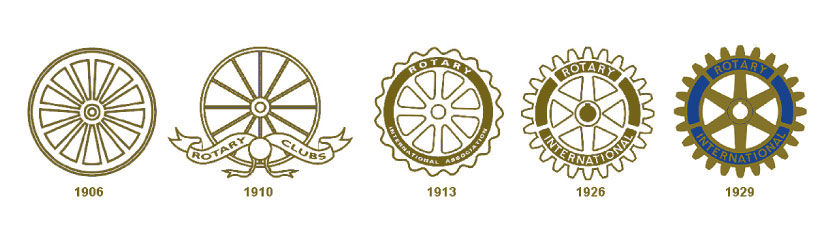

Rotary members have been addressing challenges around the world for over 110 years.
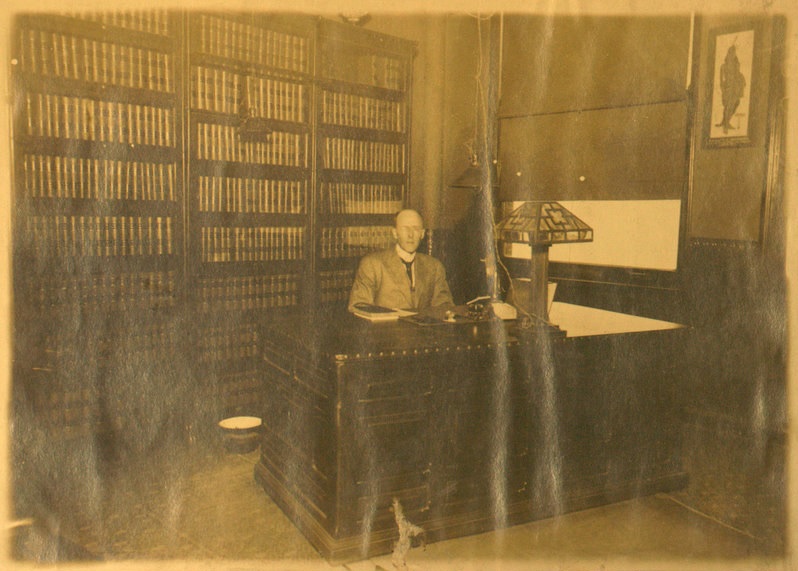
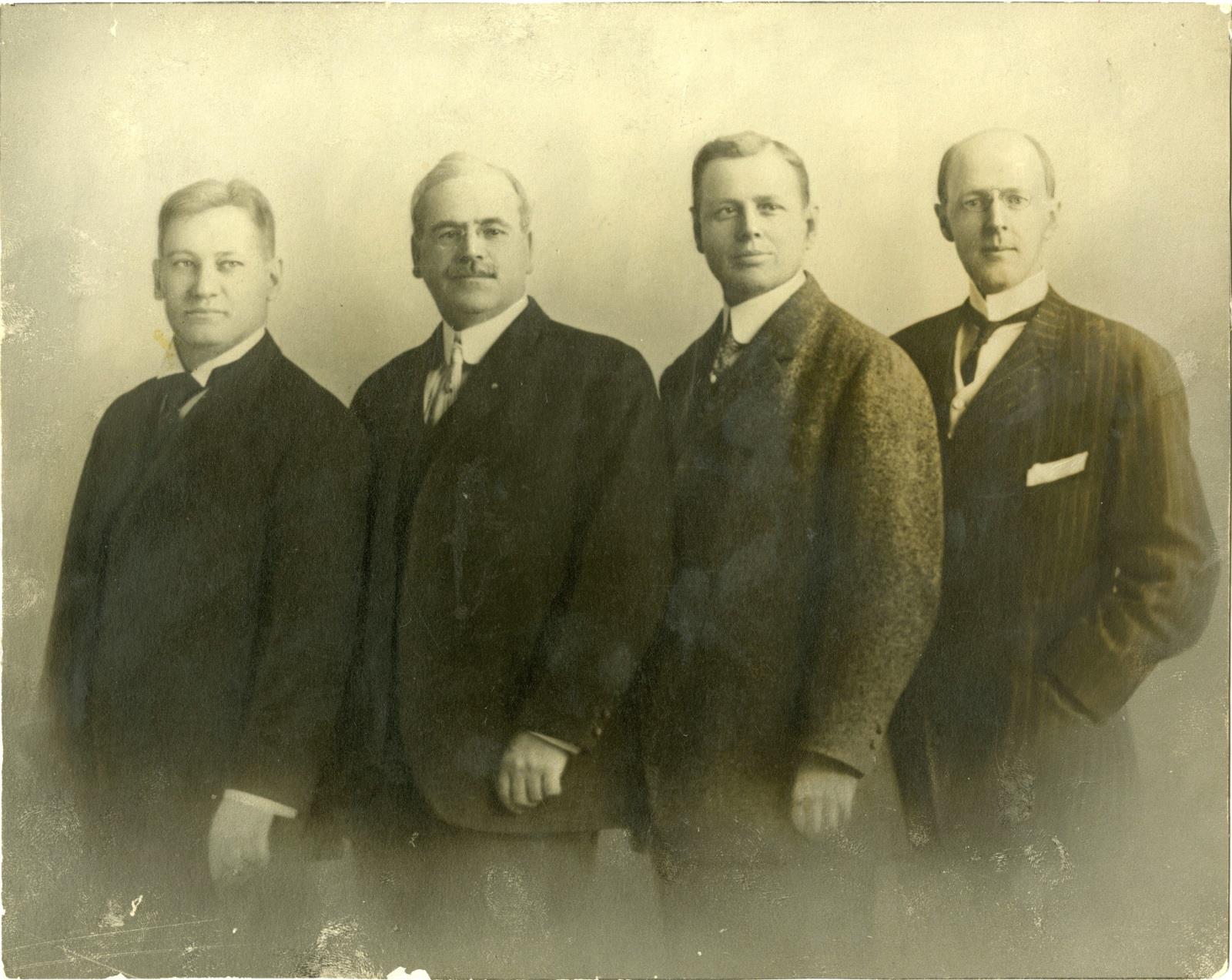
Rotary links 1.2 million members to form an organization of international scope. It started with the vision of one man — Paul Harris. The Chicago attorney formed the Rotary Club of Chicago on 23 February 1905, so professionals with diverse backgrounds could exchange ideas, form meaningful, lifelong friendships, and give back to their communities.
Rotary’s name came from the group’s early practice of rotating meetings among the offices of its members.
Our ongoing commitment
Rotary members have not only been present for major events in history — we’ve also been a part of them. Three key traits have remained strong throughout our history:
We’re truly international. Only 16 years after being founded, Rotary had clubs on six continents. Today, members in nearly every country work to solve some of our world’s most challenging problems.
We persevere in tough times. During World War II, Rotary clubs in Austria, Germany, Italy, Japan, and Spain were forced to disband. Despite the risks, many continued to meet informally, and after the war, Rotary members came together to rebuild their clubs and their countries.
We’re committed to service, and we’re not afraid to dream big and set bold goals. We began our fight against polio in 1979 with a project to immunize 6 million children in the Philippines. Today, polio remains endemic in only three countries — down from 125 in 1988.
$26.50
$500
ROTARY WILL CONTINUE TO GROW AND HELP OTHERS AROUND THE WORLD.
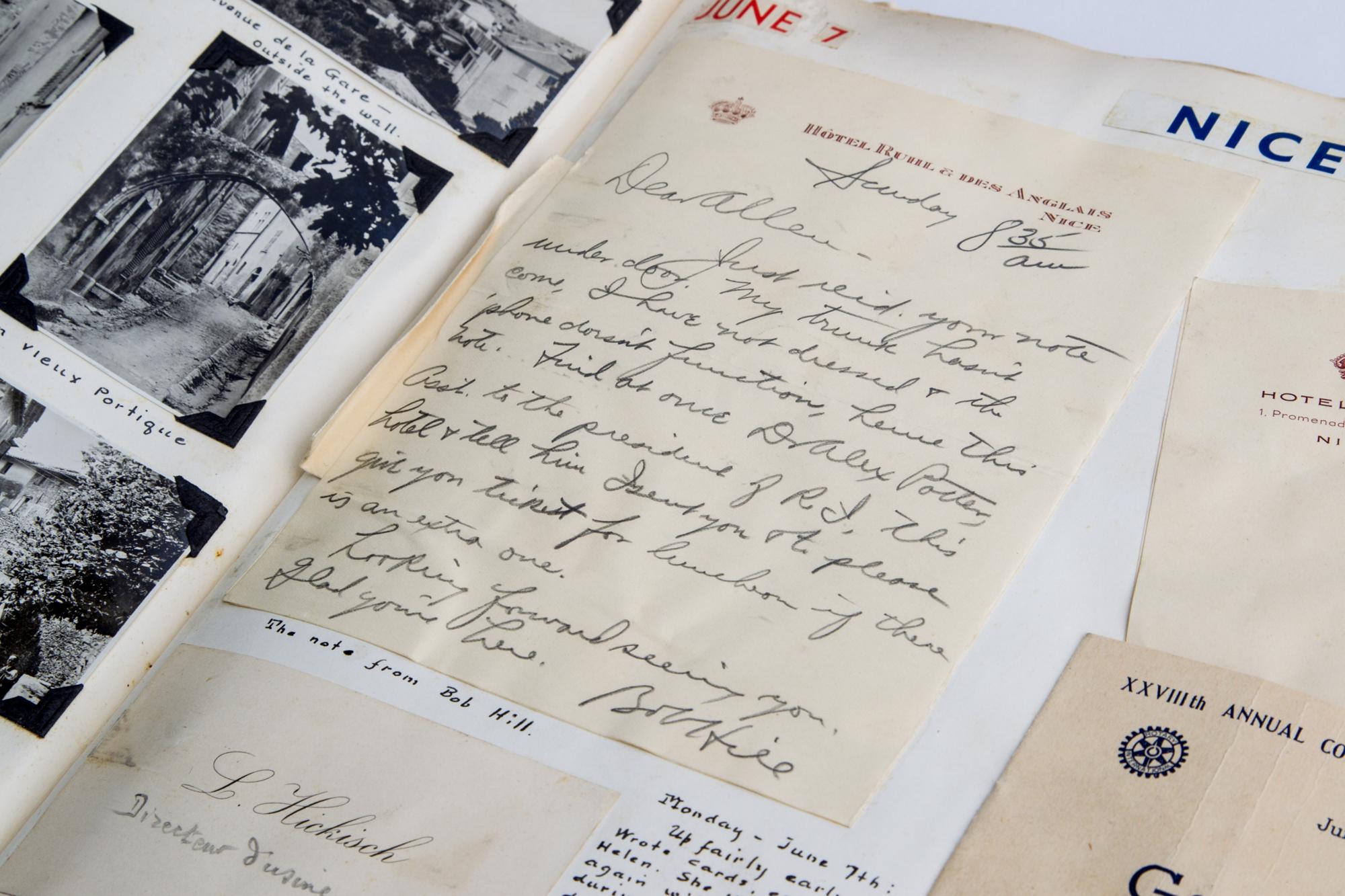 Our archives preserve Rotary's legacy through material that accurately and effectively documents our history. Located at Rotary's world headquarters in Evanston, Illinois, USA, our collections chronicle official decisions, reveal insights into the people who shaped Rotary and its programs, and shed light on key milestones and everyday events that built Rotary into one of the world's largest humanitarian service organizations.